
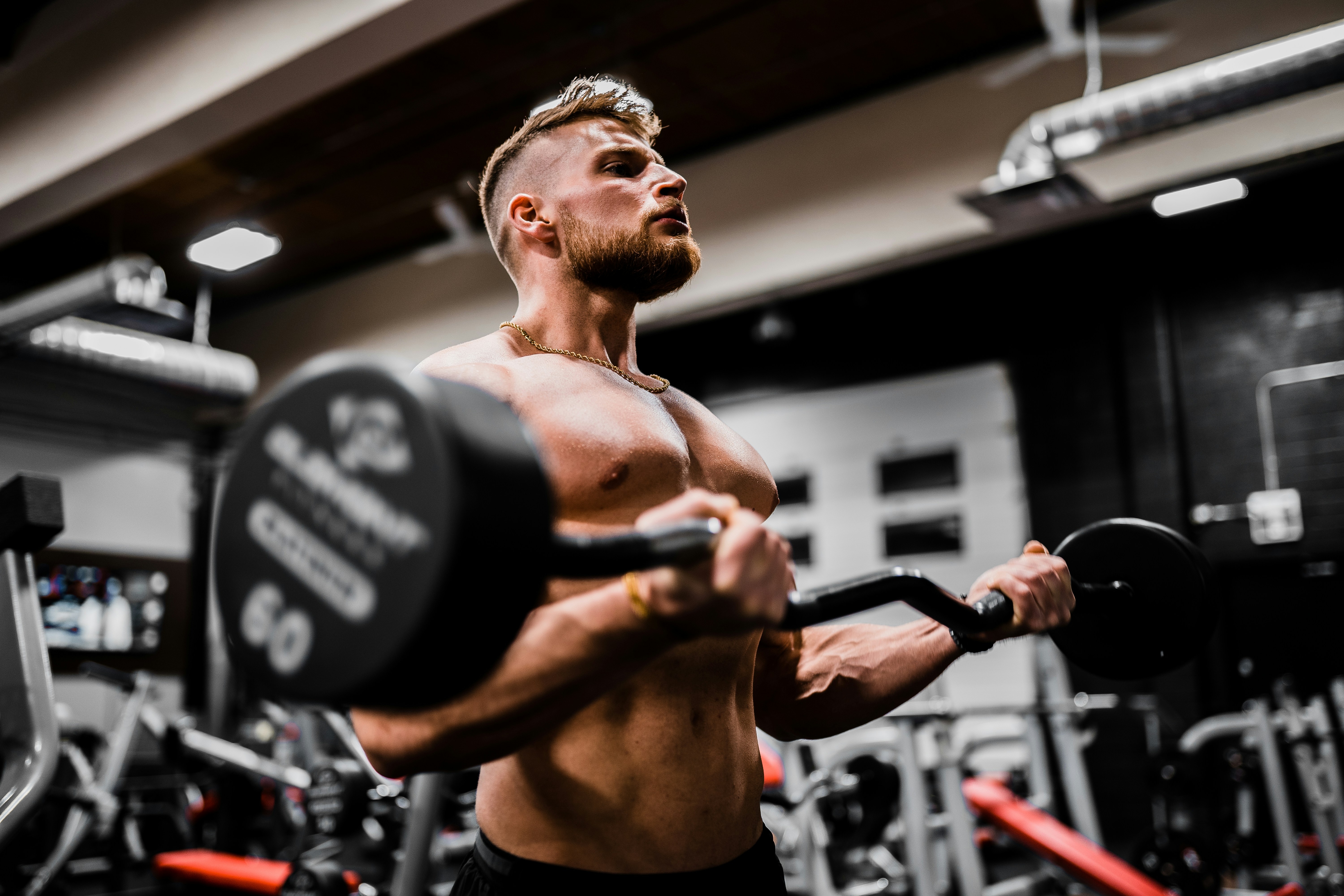
Setting the Stage: The Peak Performance Paradox
For elite athletes and dedicated fitness coaches utilizing the Ascend app, the pursuit of muscle hypertrophy isn't just about lifting heavy; it's about intelligent, sustainable progression. The perpetual question of 'how long' to train often sits at the core of this pursuit. While common wisdom might suggest longer sessions yield greater gains, the physiological reality is far more nuanced. Our objective isn't merely to exhaust the muscle, but to provide a precise stimulus that initiates adaptation without crossing the line into detrimental overtraining.
The Science Behind Optimal Session Duration
The primary goal of a resistance training session for muscle growth is to create mechanical tension, muscle damage, and metabolic stress – the three main drivers of hypertrophy. However, the body's anabolic window, the period during which these stimuli are most effective at promoting muscle protein synthesis (MPS) and subsequent growth, is not infinite. Research suggests that MPS is acutely elevated post-exercise, but prolonged sessions can lead to diminishing returns, catabolic hormone surges (e.g., cortisol), and increased risk of injury.
Generally, for muscle building, a session duration between 45 to 75 minutes is often cited as optimal. This timeframe typically allows for sufficient warm-up, 4-6 exercises targeting specific muscle groups, 3-4 sets per exercise, and adequate rest periods (60-120 seconds between sets) to maintain intensity. Shorter, more intense sessions might be effective for advanced athletes leveraging high-frequency training, while longer sessions (90+ minutes) should be approached with extreme caution and specific goals in mind, as they increase the likelihood of systemic fatigue and compromised recovery.
Volume, Intensity, and the Point of Diminishing Returns
The optimal duration is intrinsically linked to training volume (sets x reps x weight) and intensity (load relative to 1RM). A highly intense session with heavy loads and fewer repetitions will likely be shorter than a session focused on higher volume with moderate loads. The key is to find the 'minimal effective dose' that maximizes anabolic signaling without overstressing the recovery systems. Once muscle protein synthesis rates begin to plateau or decline, or if cortisol levels begin to significantly outweigh testosterone, the session has likely exceeded its productive window. Pushing beyond this point doesn't accelerate growth; it often impedes it by extending recovery time and increasing injury risk. Elite athletes must recognize that more isn't always better; better is better.
Monitoring Overtraining and Enhancing Recovery
Regardless of session duration, vigilance against overtraining is paramount. Symptoms can range from persistent fatigue, decreased performance, elevated resting heart rate, sleep disturbances, irritability, and increased susceptibility to illness or injury. For elite athletes, the finely tuned balance between training stress and recovery is critical. Strategies for enhancing recovery include adequate sleep, targeted nutrition (sufficient protein and carbohydrates), hydration, active recovery, and stress management.
Ascend App: Your Precision Training Co-Pilot
This is where the Ascend app becomes an indispensable tool. Ascend's advanced analytics provide real-time data and historical trends that can directly inform your session duration and overall training strategy. By tracking metrics such as:
- Training Volume & Intensity: Monitor your total workload per session and over time to identify if you're approaching overtraining thresholds.
- Heart Rate Variability (HRV): Ascend can integrate with wearables to provide insights into your autonomic nervous system's recovery state, indicating readiness for intense sessions or signaling the need for lighter days.
- Performance Trends: Observe decrements in power output, rep maxes, or lifting speeds within a session or across sessions, which could suggest excessive duration or insufficient recovery.
- Subjective Well-being: Utilize Ascend's logging features to track sleep quality, mood, and perceived recovery, offering critical subjective data points.